For many contractors and business owners, deciding whether to rent or buy equipment is an important financial decision. While comparing the purchase price with the rental rate seems like the most obvious approach, it rarely provides the full picture.
The real value of equipment depends on how often it is used, the cost of maintaining it, available storage space, and the types of projects a business handles throughout the year. An informed decision requires looking beyond the initial investment and evaluating the total cost of ownership over time.
This guide explains the key factors businesses in Singapore should consider before deciding whether renting or purchasing equipment is the better option.
Start by Evaluating Equipment Utilization
One of the most important considerations is equipment utilization.
Machinery that spends most of its time sitting in storage continues to generate costs, even when it is not being used. Depreciation, insurance, maintenance, and storage expenses continue regardless of whether the equipment is producing value.
Businesses that use the same equipment on a regular basis across multiple projects are generally more likely to benefit from ownership because the cost per use decreases over time.
On the other hand, equipment that is only required for specific projects or occasional tasks is often more economical to rent.
Instead of evaluating equipment demand during the busiest months of the year, businesses should calculate expected utilization across an entire year. This provides a much more realistic basis for comparing rental and ownership costs.
Consider the Hidden Costs of Equipment Ownership
The purchase price is only one part of the overall investment.
Owning equipment involves several ongoing expenses that are sometimes overlooked during the buying process.
Storage Costs
Heavy equipment requires secure storage when it is not in use.
Whether machinery is stored in a warehouse or an outdoor yard, businesses must allocate valuable space that could otherwise be used for operations or inventory.
Maintenance and Repairs
Regular servicing helps equipment remain reliable and safe.
Routine maintenance, replacement parts, emergency repairs, and technician labor all contribute to the long term cost of ownership.
Unlike rented equipment, these responsibilities remain with the owner.
Equipment Depreciation
Most construction and industrial equipment gradually loses value as it ages.
Even well maintained machinery experiences depreciation, which affects resale value when businesses eventually decide to replace or upgrade their fleet.
Compliance Requirements
Some equipment requires regular inspections, certifications, or servicing to comply with workplace safety regulations.
Managing these requirements adds both administrative responsibilities and operational costs throughout the equipment’s lifespan.
When Buying Equipment Makes Financial Sense
Although ownership involves additional expenses, purchasing equipment can be the right decision under certain circumstances.
Buying equipment often makes sense when:
- The equipment is used on most projects throughout the year.
- The business already has suitable storage facilities.
- Maintenance can be managed internally or through an established service provider.
- Project demand remains stable over the long term.
- The equipment has a long service life and delivers consistent value over many years.
Businesses specializing in a particular type of construction or industrial work often benefit more from ownership because the same equipment is used repeatedly.
Estimate the Break Even Point
A simple financial calculation can help businesses compare renting with buying.
Estimate the total ownership cost by combining the purchase price with annual maintenance, storage, insurance, and operating expenses.
Next, divide that figure by the average daily rental cost of comparable equipment.
The result provides an estimate of how many working days per year the equipment needs to be used before ownership becomes more economical than renting.
If expected utilization falls below that estimate, renting may offer better overall value.
Why Project Diversity Matters
Many contractors work on projects that vary significantly in size, complexity, and equipment requirements.
For example, one project may require mobile scaffolding for interior maintenance, while another may need access equipment designed for taller commercial buildings.
Owning equipment designed for only one type of project may reduce flexibility when project requirements change.
In these situations, renting provides the advantage of selecting equipment that matches each project’s exact specifications.
Businesses working on temporary maintenance, renovation, or construction projects often explore Scaffolding Rental Singapore to access equipment that meets their immediate needs without committing to long term ownership.
The Benefits of a Mixed Equipment Strategy
Many successful businesses combine both owned and rented equipment within the same fleet.
Instead of treating renting and buying as separate strategies, they identify which equipment delivers the greatest value through ownership while renting specialized machinery only when required.
This approach offers several advantages:
- Lower capital investment.
- Greater flexibility for different project types.
- Reduced storage requirements.
- Easier access to specialized equipment.
- Opportunity to evaluate new equipment before purchasing.
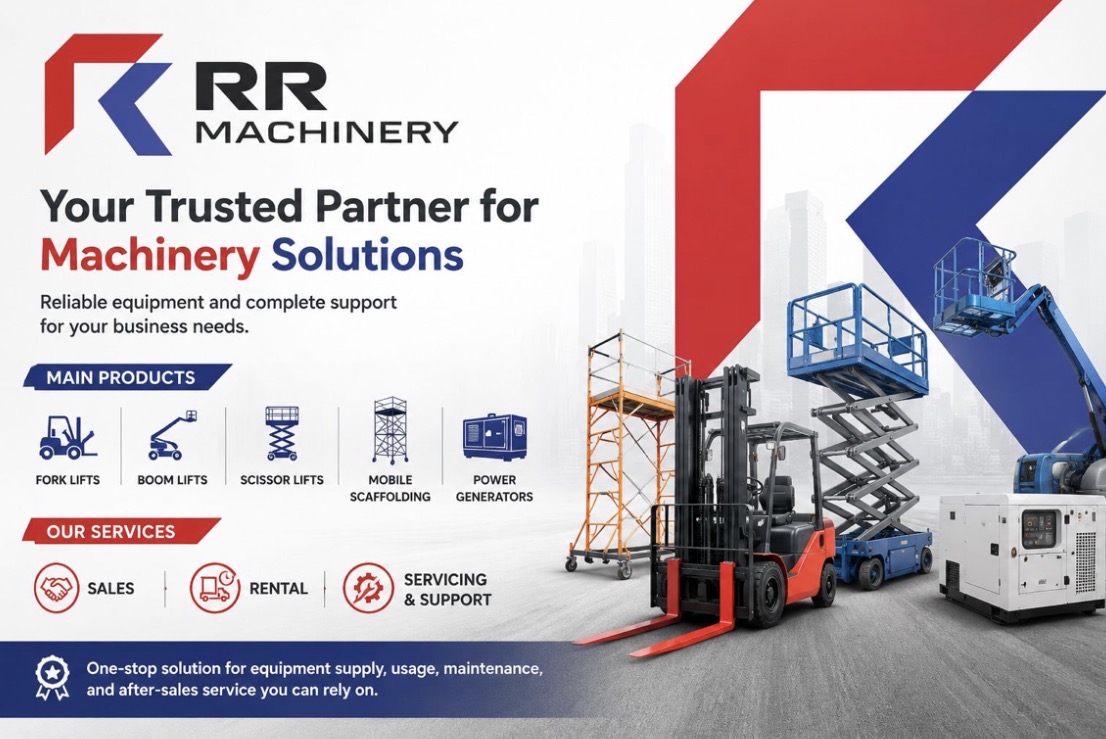
Working with an experienced supplier such as RR Machinery allows businesses to access both equipment sales and rental solutions, making it easier to adjust fleet requirements as projects evolve throughout the year.
Review Equipment Decisions Regularly
Equipment requirements rarely remain the same over time.
As businesses expand into new industries, secure larger contracts, or diversify their services, the equipment that once justified ownership may no longer match operational needs.
Reviewing equipment utilization annually helps businesses identify machinery that is underused, determine whether rental would be more economical, and plan future investments more effectively.
Regular evaluations also support better budgeting and long term asset management.
Frequently Asked Questions
How often should equipment be used before buying becomes worthwhile?
There is no universal benchmark. Equipment that is used consistently across multiple projects throughout the year generally provides a stronger financial case for ownership than equipment used only occasionally.
Is renting always more expensive than buying?
Not necessarily. When maintenance, storage, depreciation, servicing, and compliance costs are included, renting can often be the more cost effective option for equipment with low utilization.
Can businesses combine rented and owned equipment?
Yes. Many companies maintain a core fleet of frequently used equipment while renting specialized machinery whenever project requirements change.
How often should businesses review their equipment strategy?
Reviewing equipment utilization once a year, or whenever project workloads change significantly, helps ensure equipment investments continue to support operational goals.
Is renting a good way to evaluate equipment before purchasing?
Yes. Renting allows businesses to assess equipment performance, suitability, and operational requirements before making a long term investment.